Treasury designates Iranian oil trustees and regime facilitators
Treasury blocks four Iranian individuals under Executive Orders 13902 and 13224 as it expands Operation Economic Outcast.
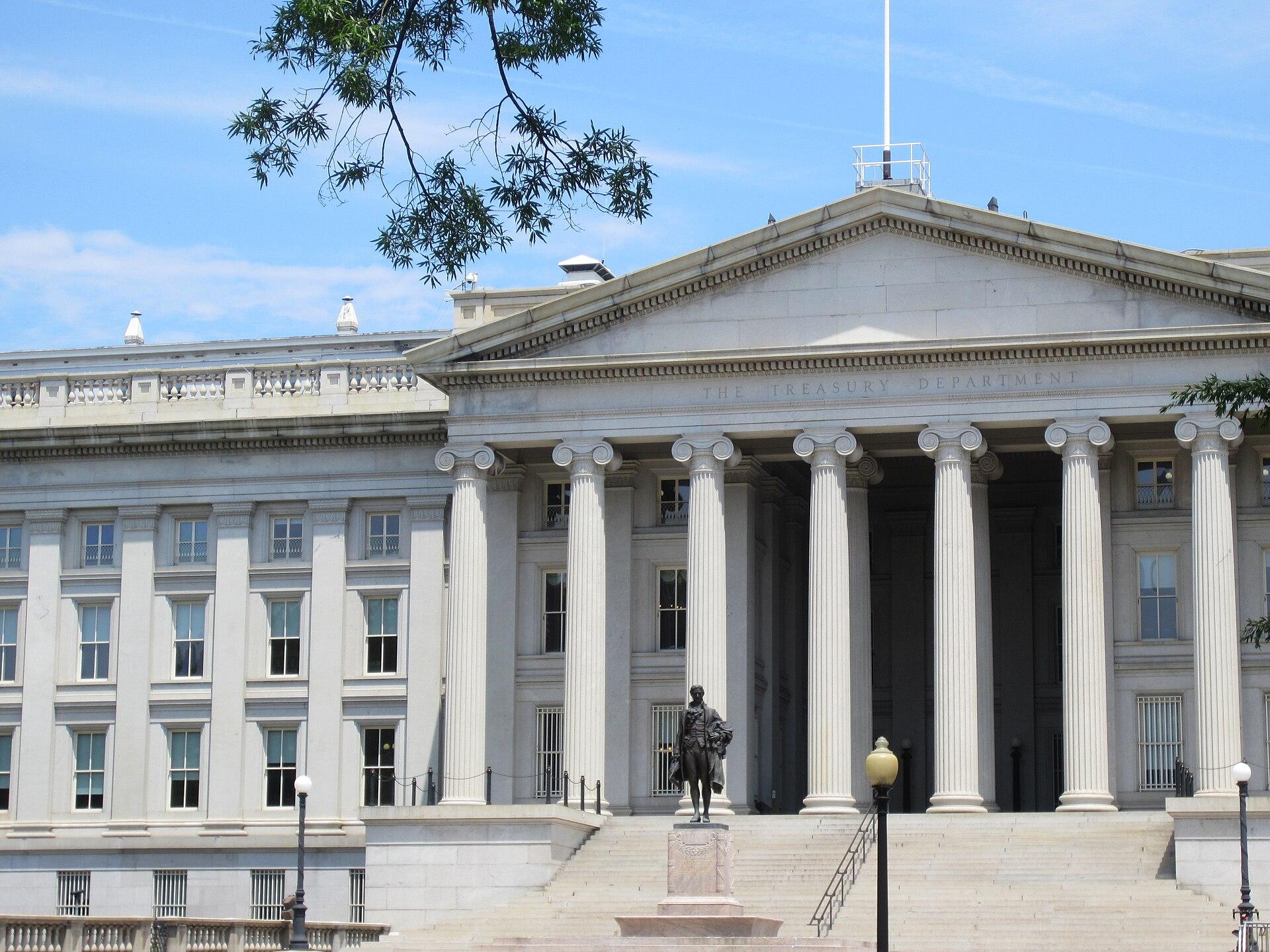
The Treasury Department said Nov. 20 in a release that it designated four Iranians as part of Operation Economic Outcast, blocking their property in U.S. jurisdiction and barring U.S. persons from transactions with them. Treasury said the action relies on Executive Order 13902, which targets Iran’s petroleum, petrochemical and aviation sectors, and Executive Order 13224, a counterterrorism authority.
Secretary Scott Bessent said in the release that the regime has “exhausted its seaborne oil supply” and “may never see the revenue from the oil it has already sold. The ship is sinking.” Treasury said no oil has been loaded onto vessels since Operation Economic Outcast began, and the regime is trying to recoup billions from oil trustees, many of whom have kept oil revenue for personal gain.
Treasury designated Mohammad Javad Bavand and Majid Taj under E.O. 13902 for operating in Iran’s petroleum sector. Bavand is a former Islamic Revolutionary Guard Corps intelligence officer, and Taj's brother heads the Iranian Football Federation, the release states. Treasury described the two as being in a network of regime insiders responsible for raising cash by selling from Iran's shrinking oil reserves, and the regime continues to use them despite their owing billions of dollars from previous sales, according to the release. Bavand has dealt with the IRGC and Sepehr Energy Jahan Nama Pars Company, a U.S.-designated front company selling oil for the Iranian Armed Forces General Staff.
Treasury also designated Mohammadhossein Servati under E.O. 13224 for materially assisting Sepehr Energy. Servati, whose father is IRGC Brigadier General Mohsen Servati, has been an executive at firms run by Sepehr Energy, among them Xin Rui Jin Trad Co., Limited and Sepehr Energy Hamta Pars. On Sepehr Energy's behalf, Xin Rui Jin arranged and took delivery of Iranian oil cargoes for delivery to Chinese teapot refineries, the release says.
The fourth individual, Mojtaba Arabnejad, was designated under E.O. 13224 for materially assisting Mahan Air. He is the son of Hamid Arabnejad, the designated CEO of Mahan Air, and has used family ties and IRGC-Qods Force connections to buy aircraft parts for Mahan Air and procure weapons for the Iranian military under the cover of agricultural companies, according to the release. He also oversaw oil sales whose proceeds supported Mahan Air.
As a result of the designations, any property or interests in property of the four that is in the United States or held by U.S. persons is blocked, and any entity in which blocked persons own 50 percent or more, directly or indirectly, is also blocked. OFAC generally prohibits U.S. persons from any transactions involving blocked persons unless licensed or exempt. Violations may bring civil or criminal penalties, including strict liability civil penalties for U.S. and foreign persons, and whistleblowers may be eligible for awards if their information leads to monetary penalties over $1,000,000. Non-U.S. persons also may not cause U.S. persons to violate sanctions or engage in conduct that evades U.S. sanctions.
Sources: U.S. Department of the Treasury
Owen Hargrove Agencies and regulation correspondent
Owen Hargrove covers the cabinet departments, federal agencies and the rules they write for West Wing Times. Owen writes from Federal Register notices, agency announcements and published reporting.
Corrections. Report an error to corrections@westwingtimes.com. We list substantive corrections on the corrections page.