DOL finalizes two-factor test for independent contractors
The final rule replaces the 2024 multi-factor standard, applies to FLSA, FMLA and MSPA, and gives more weight to control and opportunity for profit or loss.
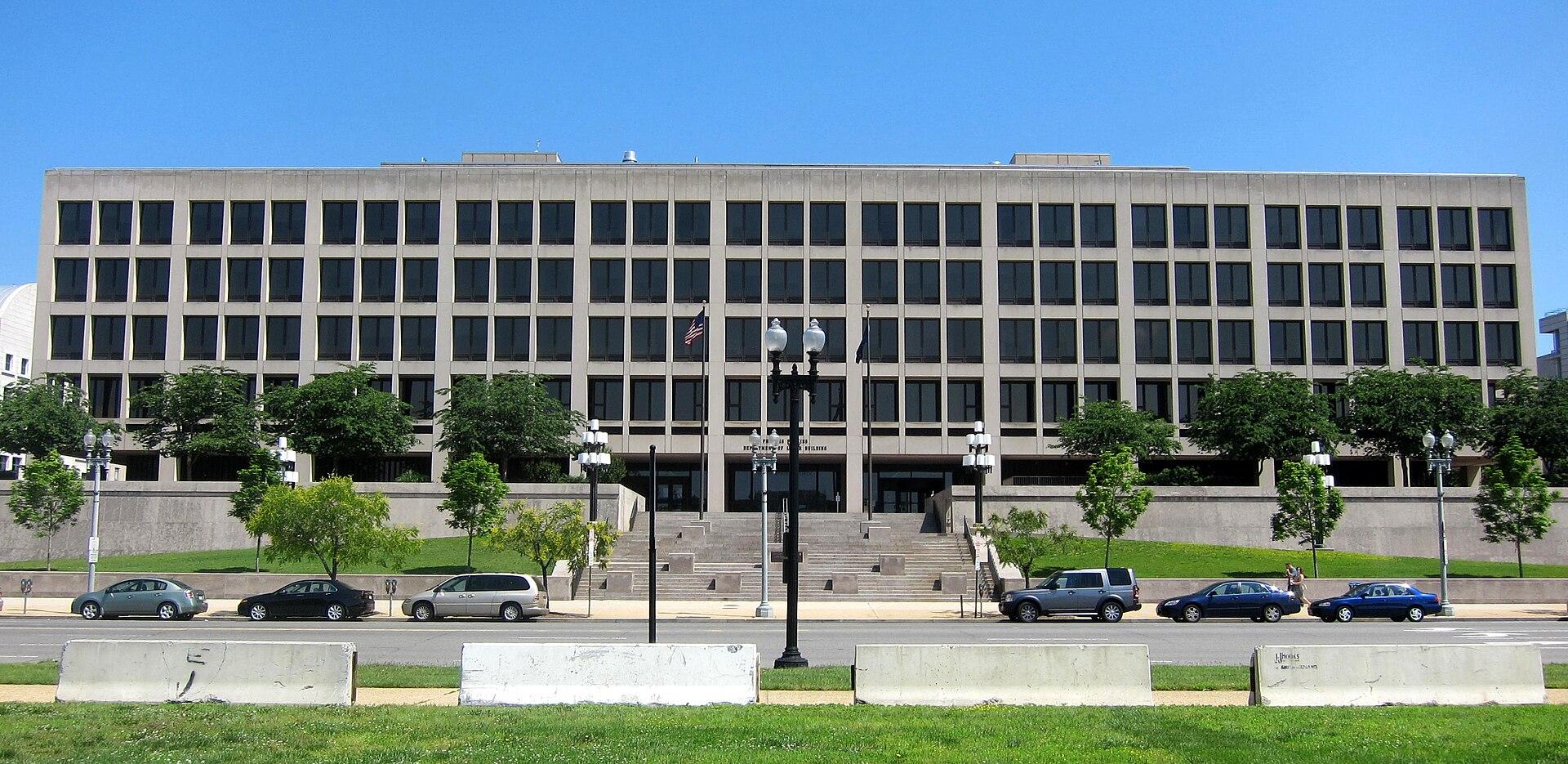
The U.S. Department of Labor issued a final rule Nov. 19 that replaces the 2024 independent contractor standard under the Fair Labor Standards Act, according to Littler. The final rule largely tracks the department's February 2026 proposal. The rule takes effect 60 days after it appears in the Federal Register and applies the same worker-classification test to the FLSA, the FMLA, and the MSPA.
The new “economic reality” test gives two factors greater weight than the others: how much control the worker exercises over the work, and the chance to gain or lose money based on initiative, investment, or both. When both factors point in the same direction, the department said that will be the correct classification in almost all instances, according to Littler. The department based that conclusion on a review of appellate court cases over five decades.
Three additional factors carry less weight and may be used if the primary factors point opposite ways: the skill the job demands, how long the working relationship lasts, and whether the job is one part of a larger production process. Littler noted that the rule emphasizes actual practices over contractual or theoretical possibilities, and a written independent contractor agreement alone will not determine a worker’s status.
The Trucker reported that the rule does not automatically reclassify drivers and does not change separate state classification laws. The department's examples accompanying the rule describe two truck drivers who lease trucks from carriers. One driver faces nonnegotiable rates and no realistic path to ownership, which points toward employee status; the other can negotiate rates, line up backhauls and work toward owning the truck, pointing toward independent contractor status. The department also said that drug and alcohol testing mandated by federal rules and enforcement of delivery deadlines the parties agreed to are not, on their own, evidence of employer control.
The American Trucking Associations welcomed the final rule, and the Owner-Operator Independent Drivers Association said it would need time to assess the rule's impact. OOIDA President and CEO Todd Spencer said the rule “does not create new barriers for an owner-operator to work as an independent contractor,” but that “the effectiveness of this regulation will be determined by how its details are interpreted and enforced”.
Secretary of Labor Keith Sonderling told a press conference that the rule would provide greater clarity to workers and employers, according to HR Dive. Wage and Hour Administrator Andrew Rogers said the rule includes “modifications and enhancements” and applies only to the FLSA, FMLA, and MSPA; it does not govern classification under the Internal Revenue Code or under the National Labor Relations Act. The department included 14 fact-specific examples in the rule, such as delivery workers and truck drivers.
James Plunkett, shareholder at Ogletree Deakins, told HR Dive that courts will ultimately decide, but the final rule and its examples are meant to help employers, especially small companies, make classification calls. Littler's analysis added that employers should review independent contractor arrangements before the effective date and evaluate state laws, such as California’s ABC test, which may impose stricter standards.
Update, November 20, 2026
The final rule was filed for public inspection on Nov. 20 and is scheduled for publication in the Federal Register on Nov. 23, according to the Department of Labor's notice. The notice carries Docket No. WHD-2026-0001 and RIN 1235-AA46. The Wage and Hour Division says the rule takes effect 60 days after publication. El Cronista reported the department received more than 16,000 comments during the 60-day comment period and that the Office of Management and Budget's Office of Information and Regulatory Affairs approved the document before it was submitted to the Federal Register.
Sources: Littler, TheTrucker.com, HR Dive, Federal Register, El Cronista
Owen Hargrove Agencies and regulation correspondent
Owen Hargrove covers the cabinet departments, federal agencies and the rules they write for West Wing Times. Owen writes from Federal Register notices, agency announcements and published reporting.
Corrections. Report an error to corrections@westwingtimes.com. We list substantive corrections on the corrections page.