BIS issues interim rule limiting remote access to AI chips
The interim final rule closes a loophole that let Chinese firms use U.S. AI chips through data centers abroad. It follows Nvidia CEO Jensen Huang's resignation.
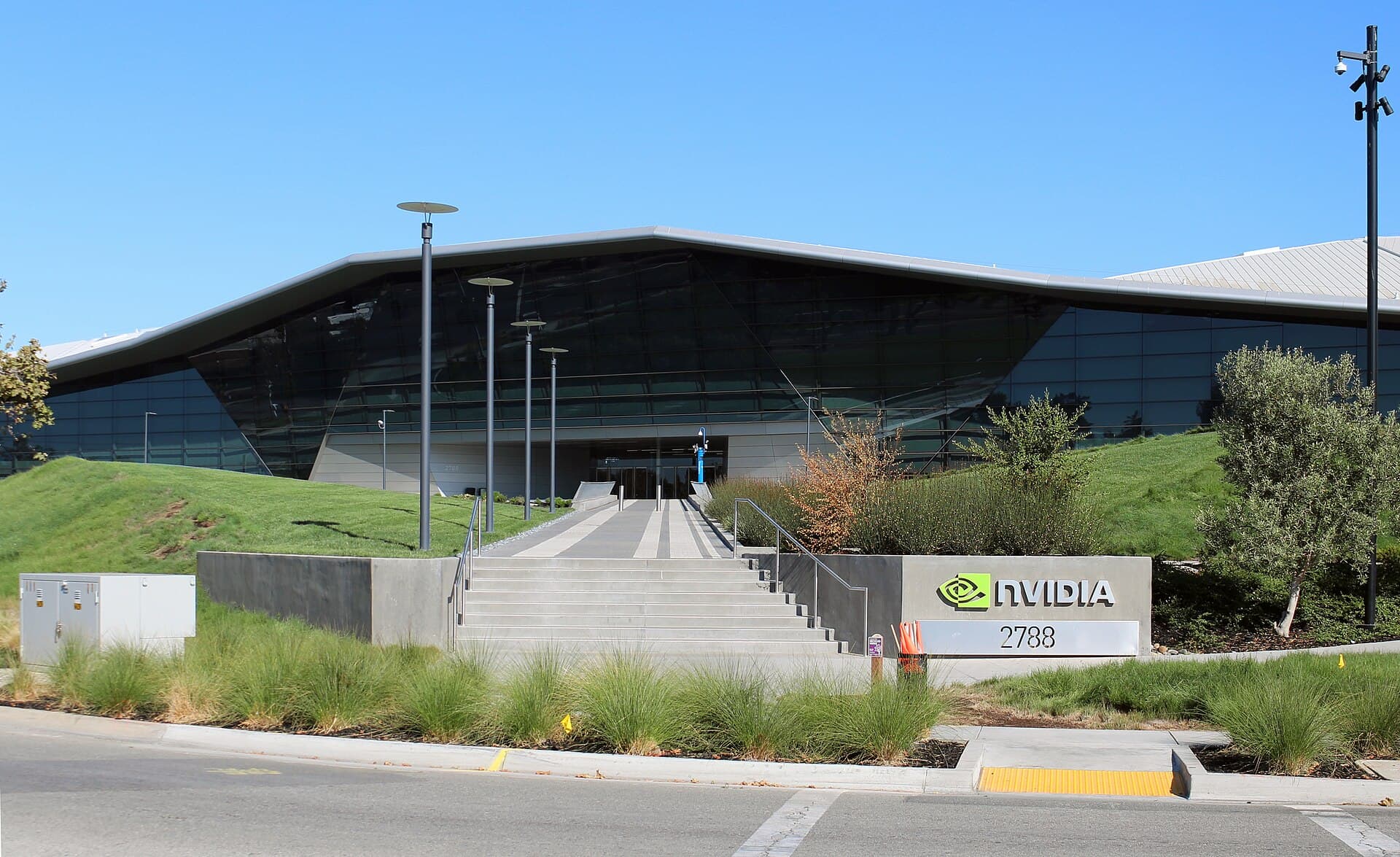
The Commerce Department's Bureau of Industry and Security issued an interim final rule Monday that restricts foreign remote access to advanced American artificial intelligence chips and servers, NPR reported, with Just the News confirming that the action tightens limits on China's ability to use advanced AI processors through computing infrastructure abroad. BIS said the rule closes a loophole that let Chinese companies tap U.S. AI technology in third-country data centers even though physical sales to China are restricted, according to NPR.
In a statement quoted by NPR, the bureau said cloud computing and "super intelligence" infrastructure now allow remote use of advanced U.S. computing power, including through data centers outside countries covered by U.S. export restrictions. The interim final rule aligns remote access safeguards with existing physical shipment controls, Just the News reported.
The rule follows scrutiny of Nvidia after Jensen Huang resigned as CEO last week amid reports, which NPR said it had not independently verified, that he had a relationship with a woman U.S. intelligence officials suspected of working for Chinese intelligence. The administration calls artificial intelligence super intelligence under an executive order President Trump signed in September, according to NPR.
Since October 2022, exporters have generally needed a license from BIS to send advanced chips to China, including Hong Kong and Macau. Those controls covered Nvidia's high-end chips, certain high-performance semiconductor parts, and particular AI computing systems. But Chinese customers could still gain remote use of the chips through data centers abroad, the gap the new rule addresses, NPR reported.
Megaspeed International, a Singapore data center company, is suspected of selling Chinese companies remote access to U.S. AI chips, NPR reported. The company said in a Sunday statement emailed to news outlets that its business is legitimate and lawful and that it has hired outside lawyers for a full internal investigation. Alice Huang, a former Megaspeed executive, is not related to Jensen Huang, and it is not known whether she influenced his lobbying of President Trump to loosen Nvidia chip sales restrictions, NPR reported.
Before the Nvidia matter, the Trump administration had opposed additional remote access rules, NPR said. In January 2025, the Biden administration wrote a framework for global controls on advanced AI chips, but in May 2025 the Commerce Department said it would not enforce the rule and planned to withdraw it, calling it "ill-conceived and counterproductive," NPR reported.
Representative Yvette Clarke, a New York Democrat, told NPR that both Jensen Huang and Commerce Secretary Howard Lutnick are likely to testify in Congress over the next couple of months, and that further inquiries into what President Trump knew are probable once Democrats take over in January 2027. Clarke said Congress needs to examine the facts under oath to understand how the compromise happened and how to stop it from recurring.
Update, November 18, 2026
The Bureau of Industry and Security's remote-access rule also formally rescinds the January 2025 AI Diffusion Rule, according to a Wednesday client alert from WilmerHale. The rescission deletes country-level caps and controls on model weights. The interim final rule takes effect when published in the Federal Register, with comments due 60 days after publication. Exporters must obtain licenses before sending advanced chips or servers to any foreign data center known to supply more than 12 million aggregate TPP to firms based in Macau or in Country Group D:5 countries. Shipments already in transit on publication day may proceed under current rules if completed within 30 days. The rule also adds a license requirement for certain advanced processors and the servers that house them when shipped to Indonesia, Malaysia, Singapore, Thailand or Brazil; recipients headquartered in the United States may qualify for an exception if suppliers file monthly reports. Data centers already providing substantial compute capacity to covered companies must obtain a license within 90 days after the effective date to continue.
Update, November 18, 2026
BIS said in the press release accompanying the interim final rule, as quoted by Morgan Lewis, that the rule was written "by and at the direction of the Department of the Treasury and National Security Council." Morgan Lewis called the statement "unusual" and said it potentially signals more active involvement by the White House and the Treasury Department in high-profile export control issues.
Update, November 20, 2026
The United States and nine other Pax Silica countries, Singapore among them, signed the San Francisco Declaration on Nov. 15, one day before the Bureau of Industry and Security issued its interim final rule, Allen & Gledhill reported. The agreement, titled the "San Francisco Declaration on the Secure Foundations of Enduring Prosperity," sets out a framework to safeguard goods, software, knowledge materials and components that are essential to AI supply chains.
Singapore's government said it is talking to U.S. officials to secure access for its companies to advanced AI chips, according to the firm. It also said that while it does not enforce other countries' export controls, it does not condone the use of Singapore to evade or break other countries' laws.
Sources: NPR, Just The News, WilmerHale, Morgan Lewis, Allen & Gledhill
Owen Hargrove Agencies and regulation correspondent
Owen Hargrove covers the cabinet departments, federal agencies and the rules they write for West Wing Times. Owen writes from Federal Register notices, agency announcements and published reporting.
Corrections. Report an error to corrections@westwingtimes.com. We list substantive corrections on the corrections page.