HUD finalizes rule ending prorated aid for mixed-status families
The final rule, effective Dec. 14, ends prorated aid for mixed-status households and requires all assisted tenants to document citizenship or eligible immigration status, drawing lawsuits and California warnings.
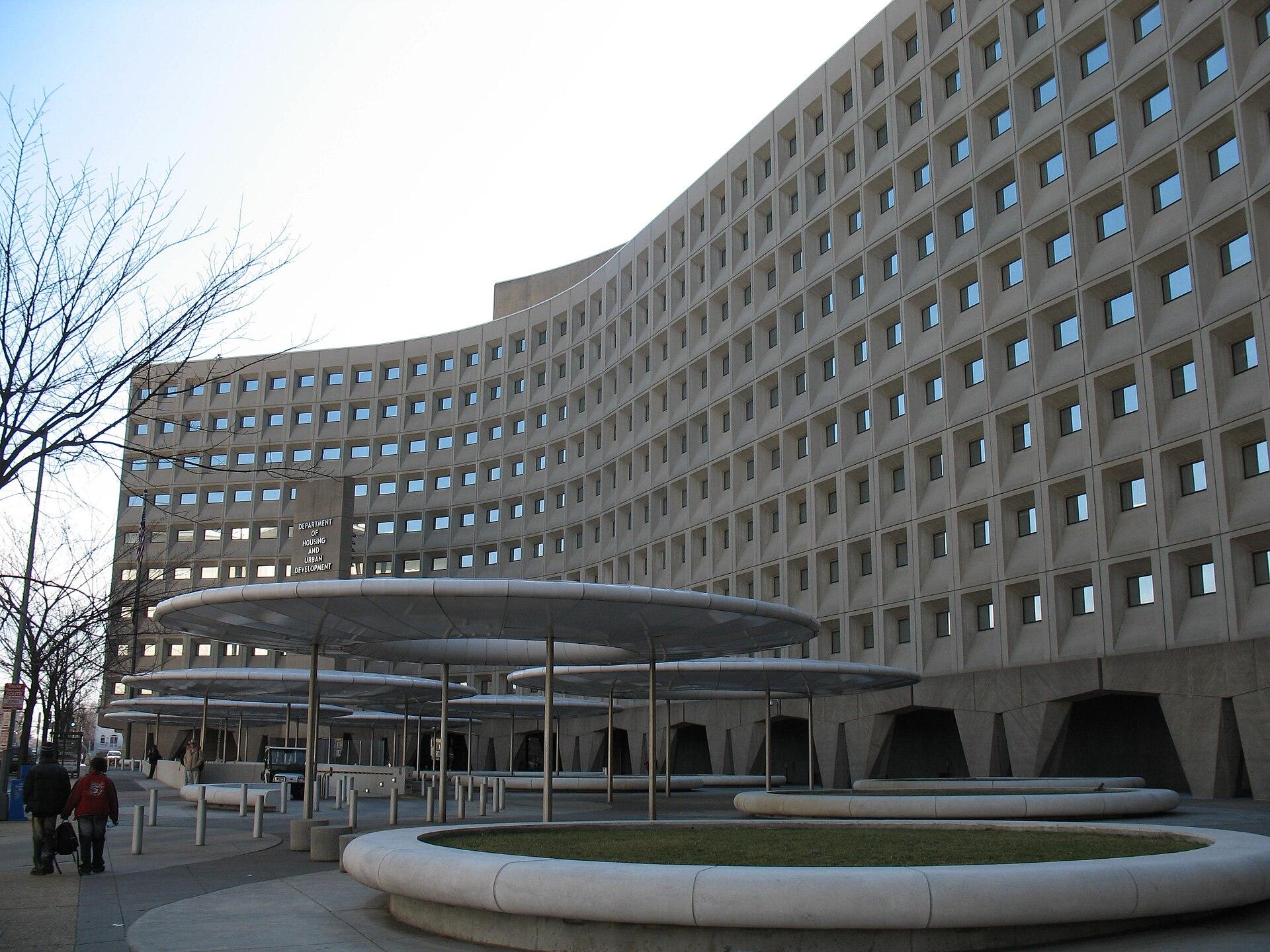
The Department of Housing and Urban Development finalized its Verification of Eligible Status rule on Nov. 10, requiring all applicants and tenants in covered HUD programs to verify that they are U.S. citizens or have eligible immigration status, including people living in mixed-status households, according to HUD's announcement. The final rule appeared Nov. 12 at 91 FR 72978 (FR Doc 2026-23003) and takes effect Dec. 14, Immigration Analytics reported.
The rule stops prorated rent aid for mixed-status households, allowing it only while the housing agency is still checking a member's status. According to the complaint in the Boston case, families in mixed-status households have 90 days from the rule's effective date to document their eligibility, making the practical cutoff March 14, 2027, though extensions can be granted. The complaint cites HUD's regulatory analysis, which counts about 20,000 mixed-status families receiving prorated aid, roughly 80,000 people, including more than 36,000 eligible children. The analysis estimates that continuing current service levels would add up to $385 million in annual costs.
HUD said the change fixes records problems. A joint HUD and Department of Homeland Security audit found roughly 200,000 tenants whose eligibility verification was incomplete or could not be confirmed, according to the department's announcement. "President Trump warned that the days of illegal aliens and ineligible noncitizens exploiting government-funded welfare programs would be over," HUD Secretary Scott Turner said in the release.
The proposed class action filed Nov. 19 in the U.S. District Court for Massachusetts by four tenant groups and three public housing residents who are not named seeks to block the rule before Dec. 14. The case, docketed as Massachusetts Union of Public Housing Tenants v. Turner, No. 1:26-cv-15176, requests class certification under Federal Rule of Civil Procedure 23(b)(2). The plaintiffs rely on Section 214 of the 1980 housing law (42 U.S.C. 1436a), which they say requires aid to a mixed family to "be prorated," meaning HUD cannot treat proration as a temporary step toward termination. They also challenge HUD's Sept. 4, 2026 notice, SD-2026-01, which they say treats a U.S. birth certificate as only partial proof of citizenship, requiring additional documents such as a parent's birth certificate. Dave Underhill, who chairs the board of the Massachusetts Union of Public Housing Tenants, said the rule is "counter to what the law has been for decades." A separate suit was filed Nov. 16 by three Los Angeles residents, the first challenge to the rule.
California would face the largest impact, with 7,190 mixed-status households receiving federal housing aid in 2024, according to a Center on Budget and Policy Priorities analysis cited by CalMatters and Jefferson Public Radio. Texas was second with 4,500. Santa Clara County's housing authority counts 157 mixed-status households, including 290 children; Angie Garcia-Nguyen, its deputy executive director, said families "are going to have to make some pretty tough choices." Santa Barbara County has 131 mixed-status families, and Sanford Riggs, director of operations, said it is "quite possible that some could end up homeless." The Los Angeles city housing authority assists 1,709 mixed-status families and said that removing all of them would require cutting at least 800 Section 8 vouchers. HUD will also require some previously exempt people, including 12,000 seniors and almost 9,000 children in Santa Clara County, to submit documentation proving citizenship or immigration status or lose their housing subsidies. Housing authorities may grant deferrals of up to 18 months before evictions.
Sources: hud.gov, CalMatters, Immigration Analytics, Jefferson Public Radio
Owen Hargrove Agencies and regulation correspondent
Owen Hargrove covers the cabinet departments, federal agencies and the rules they write for West Wing Times. Owen writes from Federal Register notices, agency announcements and published reporting.
Corrections. Report an error to corrections@westwingtimes.com. We list substantive corrections on the corrections page.