EPA repeals most power plant greenhouse gas limits
The agency also proposed eliminating the remaining standards, arguing it lacks authority under the Clean Air Act. Commenters split sharply by party, and legal challenges are already pending.
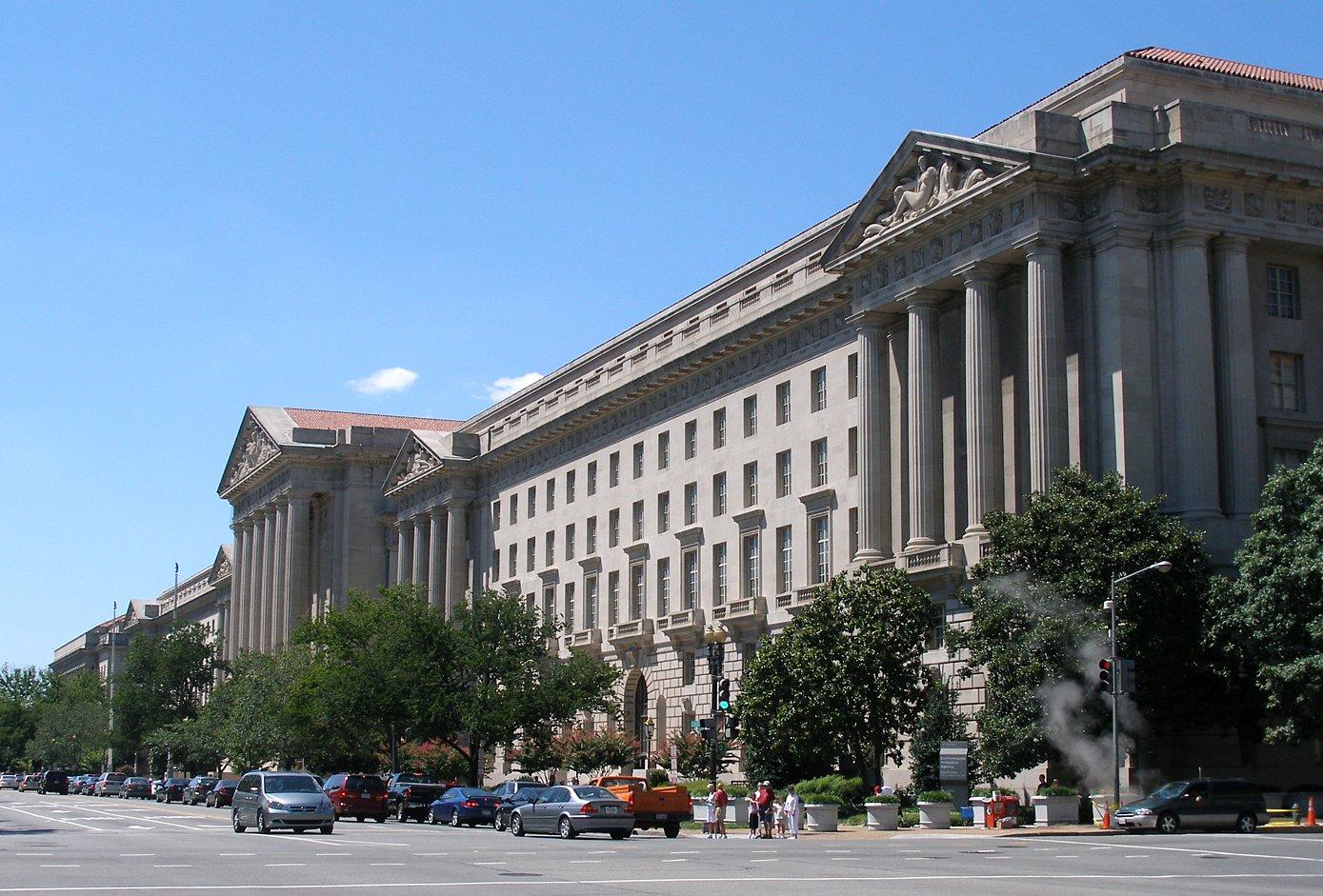
The Environmental Protection Agency said Monday it is repealing most greenhouse gas emissions limits for fossil fuel-fired power plants, specifically coal and natural gas facilities, and proposed eliminating all remaining greenhouse gas standards for the power industry, ABC News reported. Administrator Lee Zeldin announced the action during the G20 energy summit in Houston and called it “the largest deregulatory action for the United States power sector in American history.”
A final rule that partially repeals 2024 emissions standards for fossil fuel-fired plants and state planning requirements took effect Monday, WPSD Local 6 reported. The proposal, published in June 2025, would go further; its comment period closed earlier this month with more than 165,000 submissions.
The proposed rule would rescind the EPA’s 2015 findings that it had authority under a section of the Clean Air Act to regulate power plant greenhouse gases. EPA argues those standards exceeded its authority and required technologies that are not proven to work. “The Clean Air Act does not allow an administrator to force technologies that are not proven to work onto power plants,” Zeldin said, according to ABC News. The agency also said the plants “do not contribute significantly to dangerous air pollution” or climate change because the U.S. power sector’s share of global greenhouse gas concentrations is relatively minor and declining. The 2024 standards directed existing coal-fired and newly built natural gas plants to remove 90 percent of their carbon emissions with tools such as carbon capture.
The move follows the agency’s own figures, which show power generation is the country’s second-biggest source of greenhouse gases, producing 24 percent of U.S. emissions, ABC News reported. The International Energy Agency attributes 44 percent of global CO2 emissions to electricity and heat generation, the outlet reported.
The EPA estimates the repeal will save $310 billion, and eliminating the remaining greenhouse gas standards would save industry and consumers another $370 million, according to ABC News. The new rule applies only to greenhouse gas emissions and does not affect regulations on other hazardous air pollutants.
State and health reaction
In a joint comment, the attorneys general of 22 mostly Democratic-leaning states plus Washington, D.C., along with officials from New York City, Denver, Chicago and California’s Bay Area, said climate change is costly to state and local governments and endangers public health, according to WPSD Local 6. The group added that the proposal “has no basis in fact or law” and is an “unlawful abdication” of the EPA’s responsibility under the Clean Air Act.
Attorneys general from West Virginia and 24 other largely Republican-leaning states wrote that the proposal “properly reverses course on past EPA attempts to reshape the Nation’s electricity-generating sector” and would allow states to secure affordable, reliable energy.
Opposition comments also came from more than 70 medical and public health groups, among them the American Medical Association, the American Lung Association, and state chapters of the American Academy of Pediatrics. The groups wrote that children, older adults, outdoor workers, pregnant people, low-wealth communities and communities of color often face disproportionate health harms from climate change and extreme weather.
The National Tribal Air Association, representing 162 tribes, said many fossil fuel-fired generating units sit on or near tribal lands and that tribes may bear a disproportionate share of the health and environmental effects of higher emissions.
Legal challenges
The Natural Resources Defense Council and the Sierra Club are among the environmental organizations that have said they will sue over the EPA’s action. “For the health of our families and good of our nation, this cannot stand. Ignoring the immense harm to the public from this power plant pollution is a clear violation of the Clean Air Act and of Supreme Court precedent. We will be seeing them in court,” said Meredith Hankins, federal climate legal director at the Natural Resources Defense Council.
That litigation is separate from pending suits by attorneys general in California, New York, Connecticut and Massachusetts, among others, challenging the EPA’s repeal of the endangerment finding. Sen. Maria Cantwell, D-Wash., said rolling back carbon pollution limits “is a step in the wrong direction.”
Sources: ABC News, WPSD Local 6
Owen Hargrove Agencies and regulation correspondent
Owen Hargrove covers the cabinet departments, federal agencies and the rules they write for West Wing Times. Owen writes from Federal Register notices, agency announcements and published reporting.
Corrections. Report an error to corrections@westwingtimes.com. We list substantive corrections on the corrections page.