Office of the Comptroller of the Currency finalizes GENIUS Act stablecoin rules
The first federal banking regulator to finish implementing the law removed a proposed presumption that yield arrangements violate it, leaving compliance to be decided case by case.
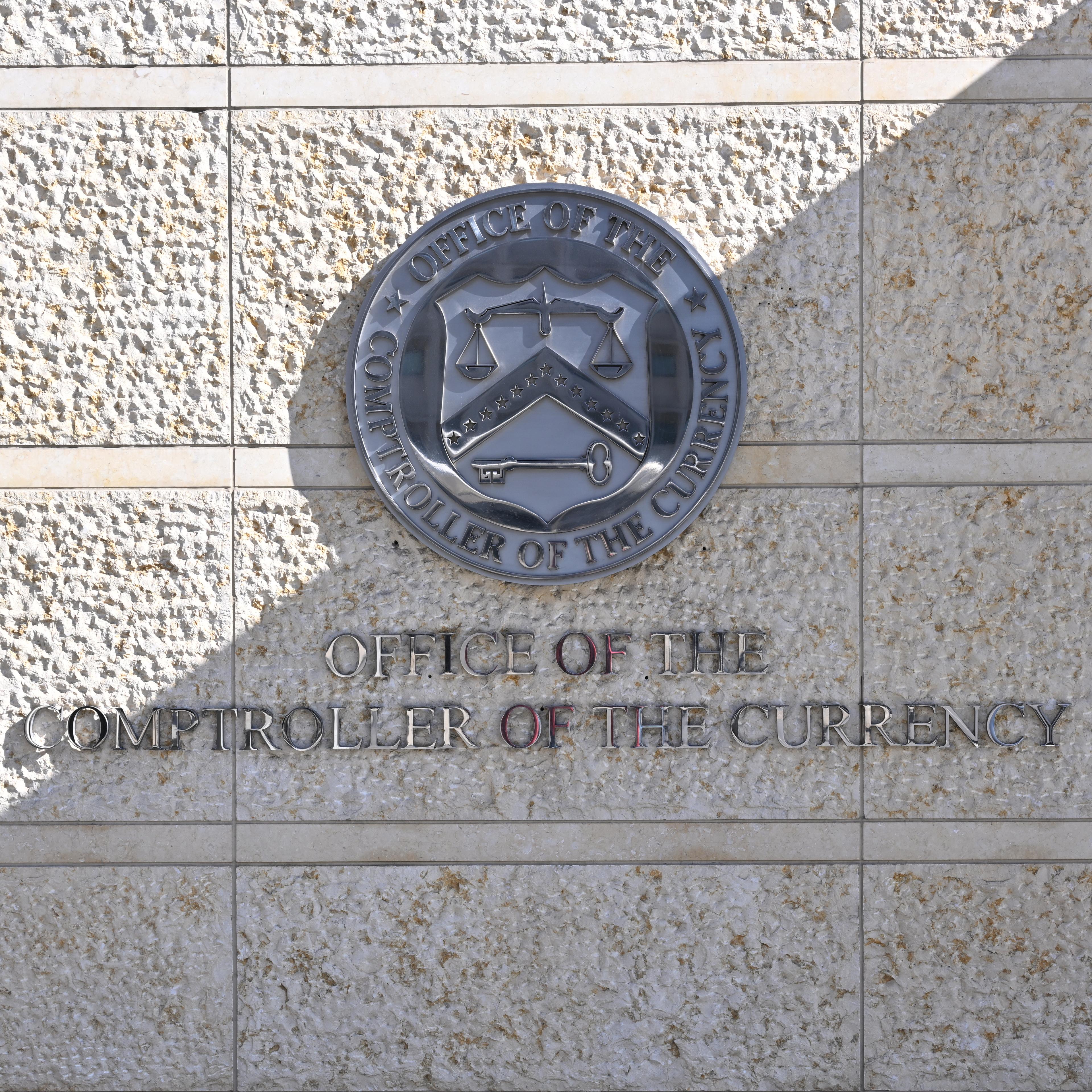
On Oct. 21, 2026, the Office of the Comptroller of the Currency issued a final rule implementing the GENIUS Act, making it the first federal banking regulator to finish rules under the 2025 stablecoin law. The rule sets out how permitted payment stablecoin issuers must operate, but it removes a proposed presumption that certain yield arrangements violate the law's ban and says it will review them case by case, leaving banks and exchanges without a fixed list of prohibited rewards.
President Donald Trump signed the Guiding and Establishing National Innovation for U.S. Stablecoins Act on July 18, 2025. The law creates a federal regulatory framework for payment stablecoins: issuers must hold qualifying reserves, honor redemption obligations, and comply with audit and disclosure requirements, and it bars issuers from paying interest or yield to holders. The law's effective date is Jan. 18, 2027, 18 months after enactment.
The OCC published its 376-page proposed rule on Feb. 25, 2026, and accepted comments through May 1. The proposal covered permissible reserve assets, redemption at par, liquidity, risk management, audits, reporting, custody, supervision and wind-down of failed issuers, as well as application procedures for federal and state-qualified issuers. The law had directed regulators to finalize rules by July 18, 2026, but the OCC, FDIC and Federal Reserve missed that deadline.
At a Wyoming conference on Aug. 19, 2026, Comptroller Jonathan Gould said the OCC was "very intent on moving quickly and getting a final rule out by November so that we will be able to start processing applications within the new year." The agency issued the final rule on Oct. 21.
The final rule drops the proposal's "rebuttable presumptions" that specified arrangements between issuers and third parties to pay yield would violate the ban. Instead, the OCC said it "will apply the language of the statute to the facts and circumstances of any particular arrangement," and that a payment "made, at least in part, for other reasons" beyond holding, using or retaining the stablecoin could fall outside the prohibition. Existing rewards programs get no safe harbor: the rule states, "The OCC declines to presume that rewards programs that predated the GENIUS Act comply with the GENIUS Act." The final rule also adopted a principles-based approach to reserve asset diversification and concentration, with requirements for minimum daily liquidity and limits on single counterparty exposure.
The Bank Policy Institute, which represents banks, said removing the presumption "replaces clarity with ambiguity and puts the banking system and its customers at risk of deposit flight." Better Markets called the final rule "dangerously weak," saying it fails to establish meaningful minimum capital, liquidity and reserve concentration standards and relies on open-ended discretion.
Other agencies are still writing their GENIUS Act rules. The Treasury Department proposed its approach to issuance and sale restrictions on Aug. 18, 2026, with a comment period that closed Oct. 19; the Federal Reserve proposed its own capital and redemption requirements in September 2026; and the FDIC and FinCEN/OFAC have also issued proposals. The OCC's final rule takes effect Jan. 18, 2027, the same day the GENIUS Act backstop applies, though the other agencies' rules may not be finished by then.
Sources: The Block, PYMNTS.com, Coinpedia Fintech News, Bank Policy Institute, CoinDesk, Better Markets | Transparency. Accountability. Oversight.
Owen Hargrove Agencies and regulation correspondent
Owen Hargrove covers the cabinet departments, federal agencies and the rules they write for West Wing Times. Owen writes from Federal Register notices, agency announcements and published reporting.
Corrections. Report an error to corrections@westwingtimes.com. We list substantive corrections on the corrections page.