Agencies finalize ESA and health IT rules; credit union proposals open
As of late October, the Fish and Wildlife Service and HHS have finalized deregulatory rules, while the NCUA is seeking comments on proposals. Litigation and a Senate discussion draft test how far deregulation can reach.
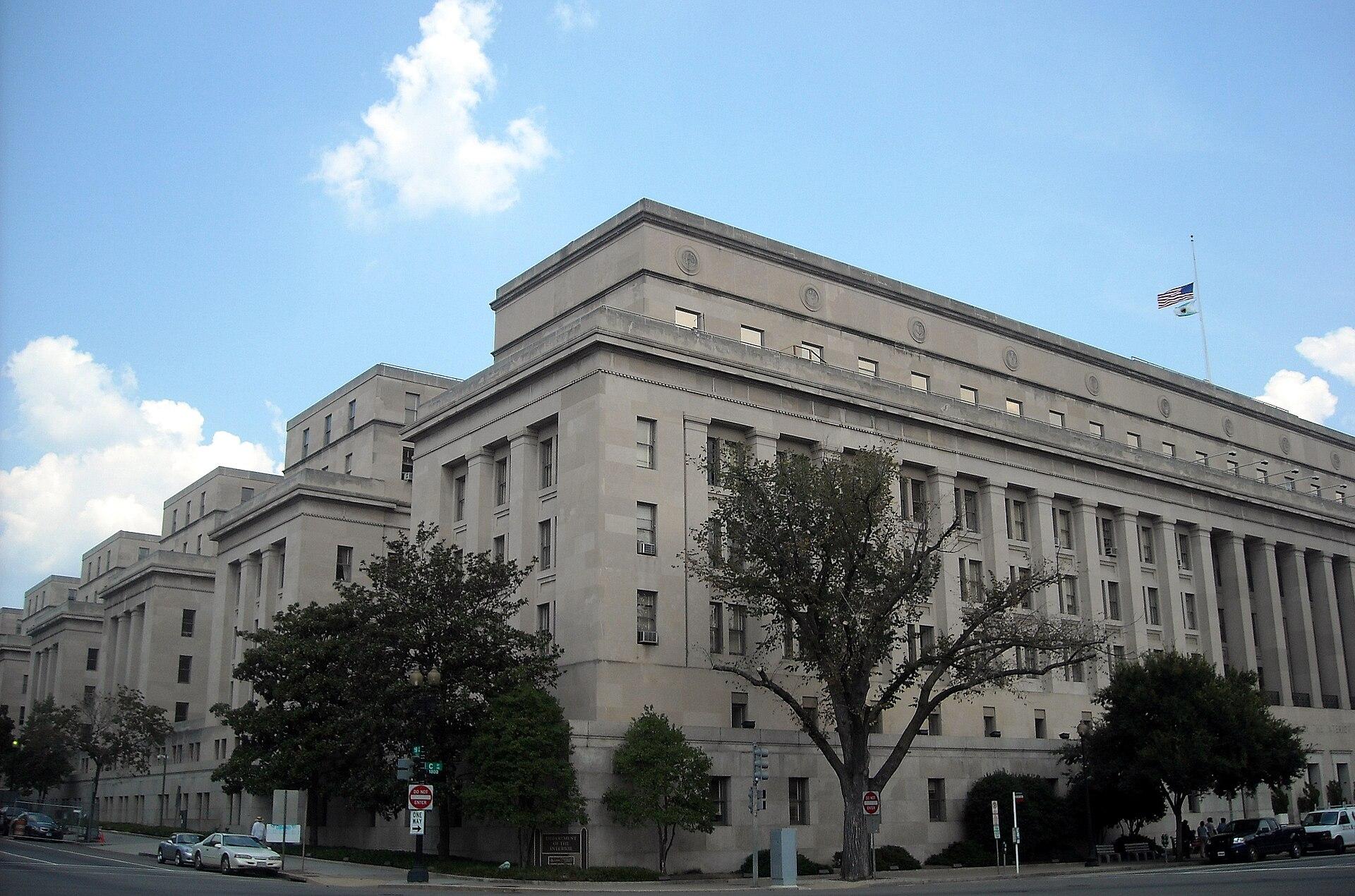
As of late October, federal agencies have completed several deregulatory rules, while other changes remain proposed or are being tested in court. Harvard Law School’s tracker says the Departments of the Interior and Commerce finalized a rule rescinding the definition of “harm” on July 10, and the Fish and Wildlife Service finalized two additional Endangered Species Act rules on July 21. HHS announced in an Oct. 26 press release that it released the HTI-5 final rule to cut Health IT certification requirements, and the NCUA Board said in a notice that it is requesting comments on a twelfth round of deregulatory proposals. The Congressional Review Act may reach some guidance that is not final under the Administrative Procedure Act, according to a Legis1 report published Aug. 26.
How the rules got here
The ESA changes date to April 15, 2025, when the administration proposed rescinding the definition of “harm,” and to Nov. 19, 2025, when it announced four proposed regulations rolling back protections, according to Harvard Law School’s tracker. The harm rescission became final on July 10, 2026, and the Fish and Wildlife Service finalized two additional rules on July 21: removing the “blanket rule” option for threatened species under section 4(d) and allowing critical habitat exclusions when economic, national security or other impacts outweigh conservation benefits. Environmental groups filed lawsuits on July 14 and July 17 challenging the harm rescission, and 21 state attorneys general filed two more lawsuits on Sept. 9 challenging all three rules. On Sept. 14, the director of the Fish and Wildlife Service circulated a memo interpreting “take” under the ESA to mean only “an affirmative act… directed at a particular animal,” building on the harm rescission.
HHS finalized its deregulatory health IT rule on Oct. 26, according to the HHS press release. The HTI-5 final rule reduces administrative burdens for health IT developers in the ONC Health IT Certification Program and is projected to save more than $1.5 billion in regulatory costs. HHS Secretary Robert F. Kennedy, Jr. said in the release, “American doctors and patients need better technology, not more Washington paperwork.” Comments on information blocking proposals from the proposed rule remain under consideration.
The NCUA Board’s Oct. 20 request for comments covers proposals to simplify fidelity bond requirements for federally insured credit unions and corporate credit unions under 12 CFR 704 and 713, clarify incidental powers under 12 CFR 721, and update the Central Liquidity Facility under 12 CFR 725. The comment period ends Dec. 14.
A separate legislative proposal, the SANDBOX Act discussion draft released Sept. 10, 2025, has not advanced. A Center for American Progress analysis published Sept. 22 warns that the bill would let the White House Office of Science and Technology Policy seek waivers or modifications of nearly any federal rule and that temporary waivers could become permanent through annual reports to Congress recommending repeal or amendment. The bill remains a draft.
What counts as deregulation
Not all changes are final rules. Under the Administrative Procedure Act, an action must mark the consummation of decision-making and determine rights or obligations to be final, the Legis1 report notes. The Congressional Review Act can reach further: the Government Accountability Office has concluded that “coercive” guidance that induces regulated entities to act a certain way can qualify as a rule. This distinction matters for agencies’ guidance documents and enforcement interpretations, such as the FWS “take” memo, which may face review even if they are not final rules.
Who must adjust now? Health IT developers participating in the ONC certification program must respond to the HTI-5 changes. Federally insured credit unions and corporate credit unions should review the NCUA proposals and submit comments by Dec. 14. Parties relying on Endangered Species Act protections face the three finalized rules and the new “take” interpretation, as the tracker shows. If the SANDBOX Act ever advances, companies seeking waivers would face a new OSTP-administered process, but that remains a proposal.
Sources: Legis1, Environmental and Energy Law Program – Harvard Law School, Center for American Progress, NCUA, HHS.gov
Owen Hargrove Agencies and regulation correspondent
Owen Hargrove covers the cabinet departments, federal agencies and the rules they write for West Wing Times. Owen writes from Federal Register notices, agency announcements and published reporting.
Corrections. Report an error to corrections@westwingtimes.com. We list substantive corrections on the corrections page.