HHS finalizes Section 504 gender dysphoria exclusion
The final rule adds statutory exclusions to HHS disability rules, making clear that gender dysphoria not caused by a physical impairment is not a disability under Section 504.
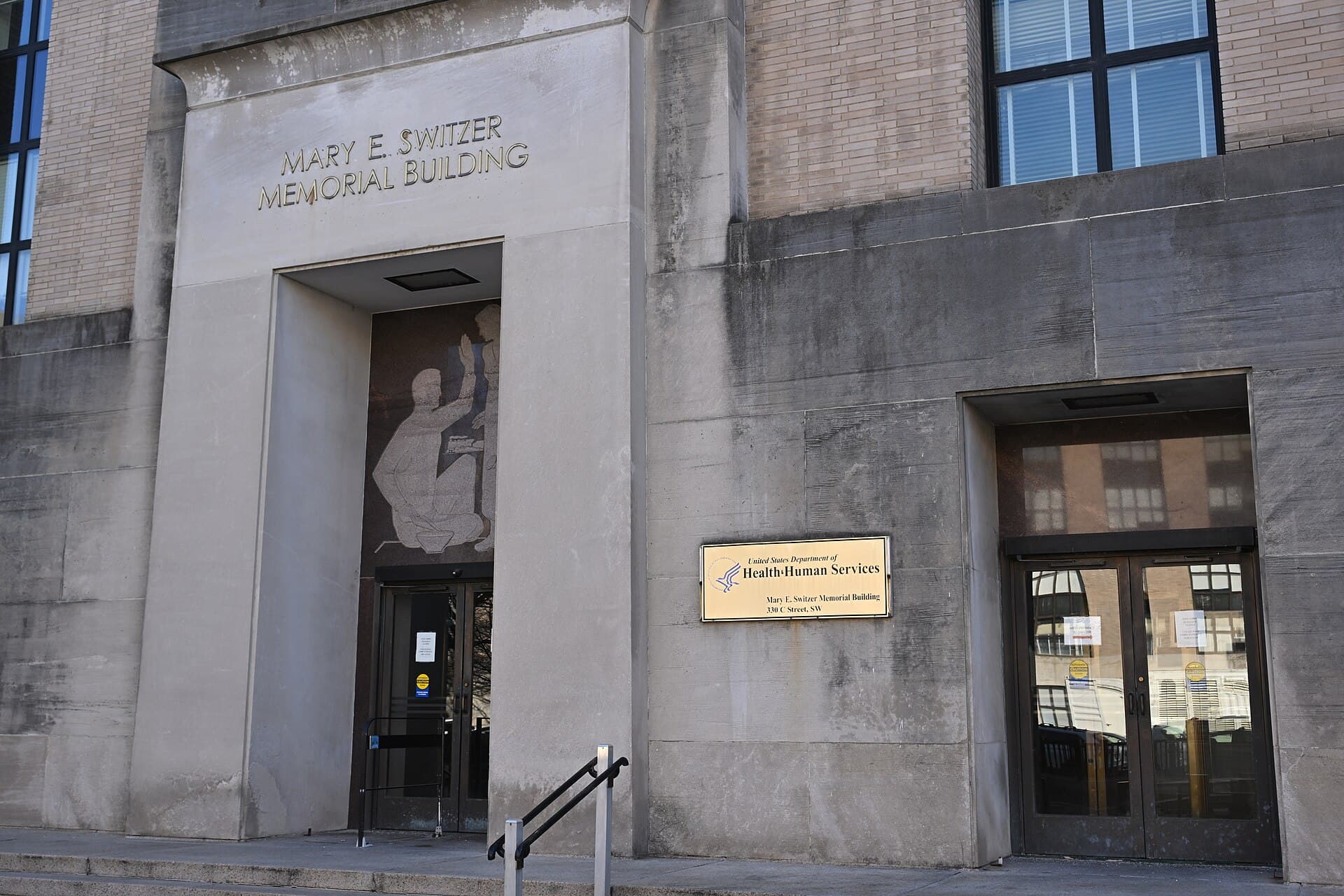
On Oct. 30, 2026, the Department of Health and Human Services’ Office for Civil Rights issued a final rule amending 45 C.F.R. § 84.4(g). The rule states that gender dysphoria that does not result from a physical impairment is not a disability under Section 504 of the Rehabilitation Act. It covers HHS-funded programs and activities and takes effect Jan. 4, 2027.
The change follows earlier HHS action. A May 9, 2024 final rule on disability nondiscrimination included preamble text saying gender dysphoria was not among the statutory exclusions, but the regulation itself did not say that. In April 2025, HHS published a Federal Register notice saying that preamble language was unenforceable. The department said confusion continued and litigation had already begun.
HHS proposed this version on Dec. 19, 2025. More than 380 comments came from private citizens, providers, educators, disability advocates, faith-based groups, professional associations, state attorneys general and members of Congress. The final text changes “terms” to “conditions,” lists the conditions Congress excluded, and says the phrase “gender identity disorders not resulting from physical impairments” includes gender dysphoria not resulting from physical impairments. When gender dysphoria stems from a physical impairment, it is not automatically excluded and can qualify for protection if the criteria are met.
Secretary Robert F. Kennedy, Jr. said the rule “restores clarity” and that Congress defined which conditions qualify. OCR Director Paula M. Stannard said the rule “ensures recipients of HHS funding follow those definitions, eliminating confusion for the people they serve”.
Some commenters said the exclusion would narrow discrimination protections and might lead to worse health, including depression, anxiety and suicide. Others said the rule conflicts with the Fourth Circuit’s Williams v. Kincaid decision, which held that gender dysphoria is not always excluded under the Americans with Disabilities Act. HHS said the Fourth Circuit ruling binds Maryland, North Carolina, South Carolina, Virginia and West Virginia, but the ruling departs from other decisions and does not support the department’s reading of the statutory exclusion.
The exclusion dates to the Americans with Disabilities Act of 1990 and was added to the Rehabilitation Act in 1992, according to Legis1. HHS said it looked to the DSM-III-R, the 1987 diagnostic manual in effect when Congress enacted the exclusion, and that later changes in medical terminology cannot alter the law. HHS also said the rule will add no new costs or burdens for recipients and does not adopt a view on whether gender dysphoria not caused by a physical impairment is legitimate, moral or how it should be treated.
HHS says individuals with gender dysphoria may still use Title VI, Title IX and the Age Discrimination Act where those laws apply, and may invoke Section 504 for other qualifying disabilities. The proposed rule’s comment period has ended; no further public comments are being accepted on the final rule.
Owen Hargrove Agencies and regulation correspondent
Owen Hargrove covers the cabinet departments, federal agencies and the rules they write for West Wing Times. Owen writes from Federal Register notices, agency announcements and published reporting.
Corrections. Report an error to corrections@westwingtimes.com. We list substantive corrections on the corrections page.