GAO Says USDA Cut Fifth of Workforce Without Documented Analysis
GAO found no evidence the Agriculture Department analyzed service delivery, costs or skills before a reorganization and staff cuts that removed about a fifth of the workforce.
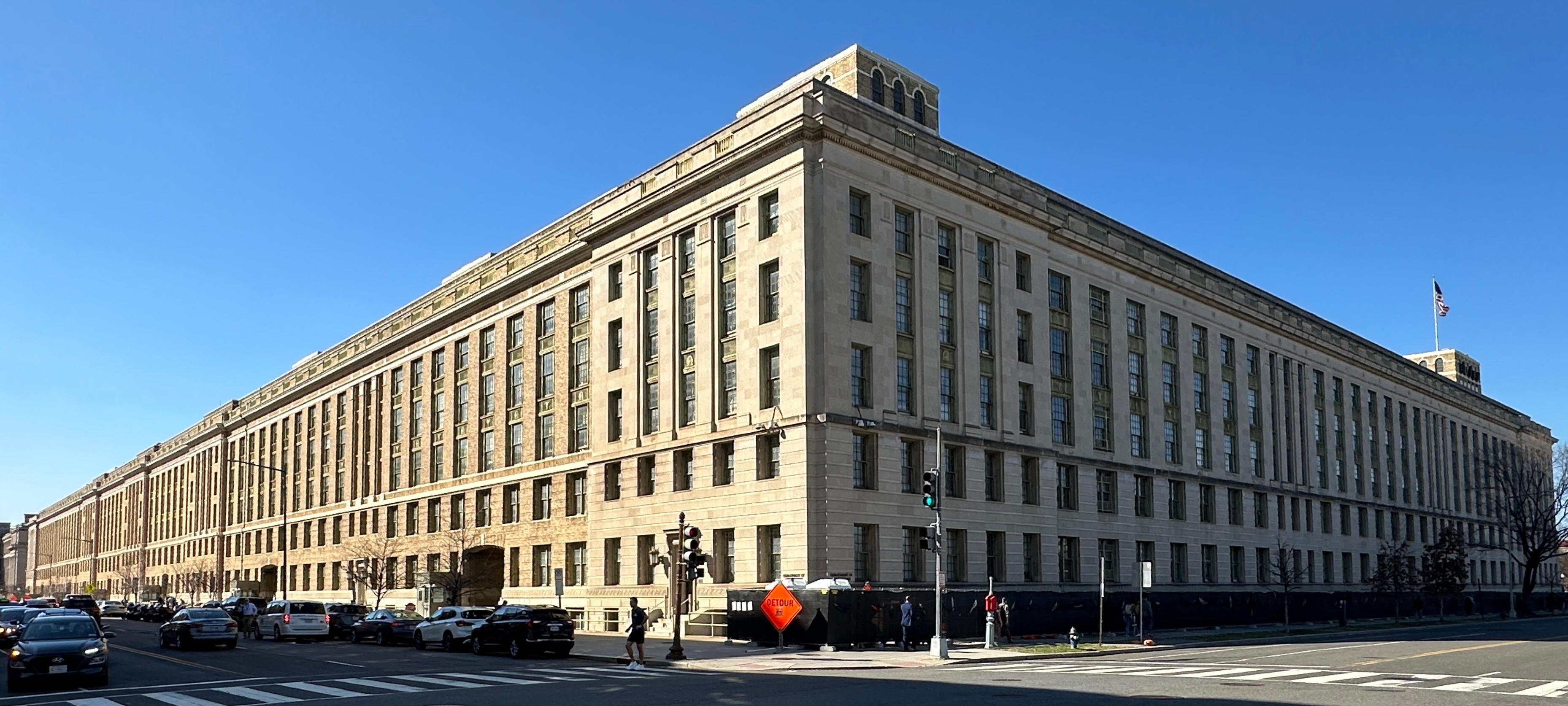
GAO could not identify any analysis that informed the specific decisions behind Secretary Brooke Rollins' July 24, 2025 reorganization plan, according to a report discussed by Global Biodefense on Nov. 14. The report, GAO-27-108734, was issued Nov. 9 for the ranking members of the agriculture committees in the Senate and House. The secretary's memo listed four goals: match staffing to available funds, shift resources away from Washington, remove management tiers, and merge support offices. It directed that at least 2,600 of the 4,600 headquarters and National Capital Region employees be moved to five regional hubs and additional cities.
Government personnel records indicate USDA staffing dropped from roughly 91,000 in late 2024 to under 73,000 by spring 2026. In that period, the department recorded roughly 25,400 separations and 7,200 hires. About 52 percent of separations went through the Deferred Resignation Program, a voluntary departure program. Reductions in force accounted for fewer than 10 separations. GAO said the department pursued the staff reductions separately from the reorganization, acting on White House directives, so the headcount drop is not solely due to the reorganization.
The cuts were uneven across agencies. The Animal and Plant Health Inspection Service fell 22.8 percent, from 8,637 employees to 6,672; the Agricultural Research Service fell 32.0 percent, from 7,127 to 4,846; and the Food Safety and Inspection Service fell 12.1 percent, from 8,383 to 7,368. Starting in autumn 2025, GAO repeatedly asked for records showing USDA had studied the choices. The department gave GAO daily attendance counts for four locations and a Forest Service finance report from 2024. GAO found those documents did not amount to analysis behind the actual decisions.
GAO concluded that lawmakers and the public cannot tell whether USDA considered effects on programs, economic costs, or taxpayer safeguards when selling buildings. The report also pointed to earlier relocations. It cited the 2019 transfer of two USDA agencies to Kansas City, where more than half of each agency's staff left after the move. At the Economic Research Service, the share of employees with at least two years of service dropped from 84 to 34 percent; the National Institute of Food and Agriculture saw the share fall from 82 to 21 percent. The agencies produced fewer research reports, and grant applications took longer to process. The Bureau of Land Management had 135 of its 176 employees who were required to relocate leave after the 2019-2020 headquarters move.
GAO reported that USDA's written comments called the review "partisan, politicized and incomplete" and said the secretary's memo was only a guide that allowed changes. GAO responded that those points do not show that analysis shaped the actual choices, and it stands by its conclusions.
Global Biodefense added that the GAO report did not assess whether animal disease response, food safety inspection, or agricultural research have been affected by the reorganization or the staffing declines. A March letter from 20 science and farm organizations asked Congress to give APHIS $400 million next year for animal health programs and $390 million for plant health, saying the Kansas National Bio and Agro-Defense Facility, which was completed in 2022, was not yet running at full capacity or fully staffed. Two Kansas legislators filed a measure that would bar USDA from closing local offices and require minimum staffing; Global Biodefense reported that the state lost more than 500 USDA employees, about 32 percent. Secretary Brooke Rollins has described the firings as an "imperfect process."
Global Biodefense noted that on Oct. 13 a federal judge blocked large parts of the reorganization, ruling that the unions challenging USDA would probably prove it violates a provision in the current spending law that bars reorganizing without lawmakers' consent. The department is appealing to the Ninth Circuit. The judge added that the halt could end soon because the ban is part of a stopgap funding measure that lapses on Dec. 11.
Sources: Global Biodefense
Teresa Lindqvist Federal workforce correspondent
Teresa Lindqvist covers federal employees, pay, hiring and contracting for West Wing Times. Teresa writes from agency memos, Office of Personnel Management guidance, contract notices and published reporting.
Corrections. Report an error to corrections@westwingtimes.com. We list substantive corrections on the corrections page.