Justice Department clarifies lawful drone detection for law enforcement
The Office of Legal Counsel found acoustic, optical, radar and radiofrequency tools generally do not violate the Pen-Trap Statute or Wiretap Act.
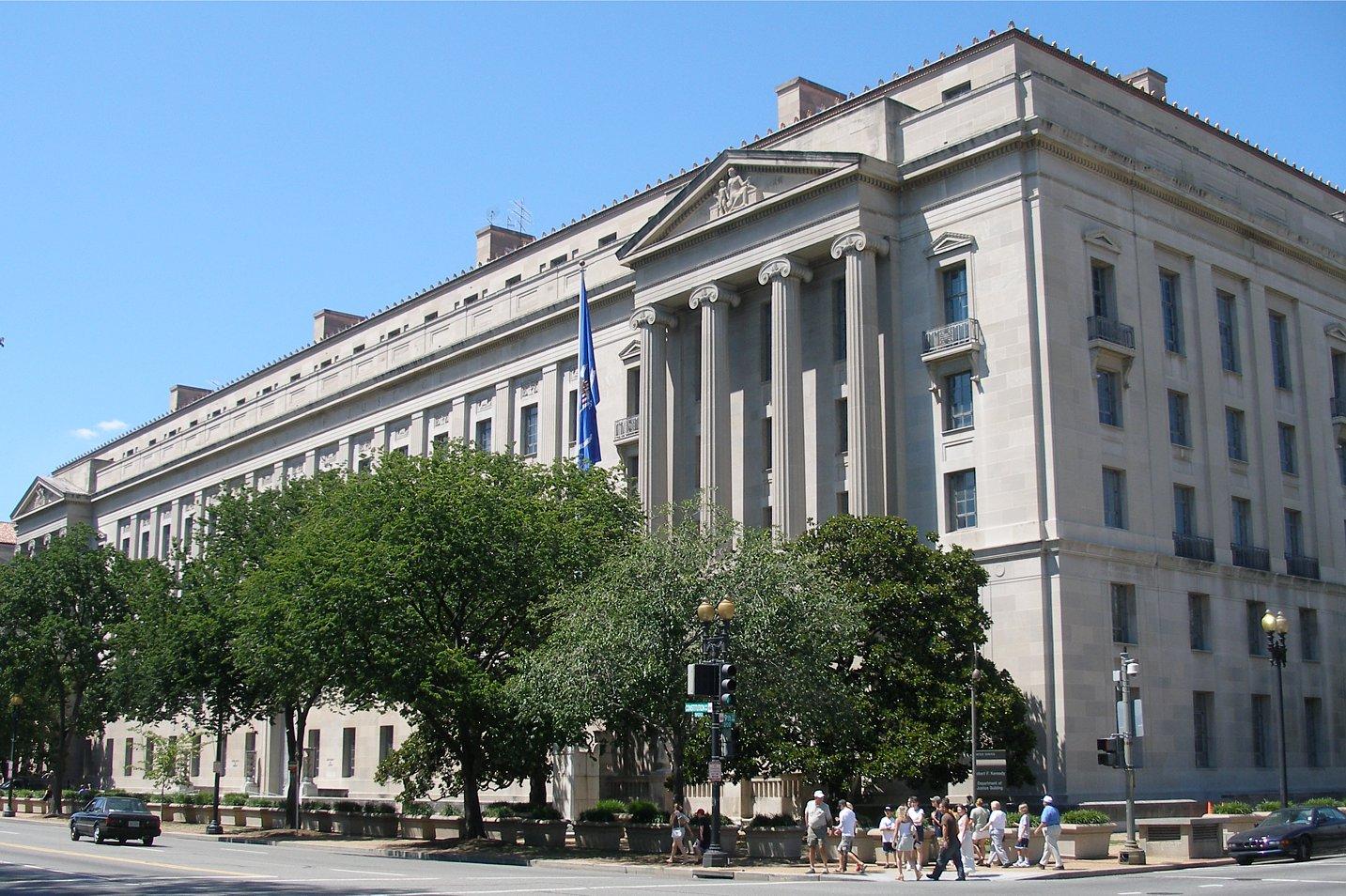
The Justice Department announced in a press release Wednesday that its Office of Legal Counsel had issued an opinion clarifying that law enforcement can use various technologies to detect drones without running afoul of the Pen-Trap Statute or the Wiretap Act.
The opinion, signed by Assistant Attorney General T. Elliot Gaiser, examines acoustic, electro-optical and infrared, radar, and radiofrequency detection systems used by federal, state, local, tribal and territorial authorities. Gaiser said the guidance "will help law enforcement detect and defeat drone threats to the safety and privacy of the American people."
According to the opinion, acoustic, electro-optical and infrared, and radar-based detection methods generally fall outside both laws because they neither collect communications metadata nor intercept protected communications. Radiofrequency detection gear generally stays within the Pen-Trap Statute unless it is connected to a phone line or another communications facility.
Systems that monitor spectrum and pick up FAA-mandated remote identification signals usually do not breach the Wiretap Act, since those signals are meant to be publicly available. For other drone communications, Wiretap Act compliance hinges on the specific technology and messages, so each situation needs its own review.
The opinion notes that many of these detection technologies can be used without relying on special counter-UAS legal powers, so long as they are operated as described and in line with constitutional and statutory limits. It also states that technologies capable of obtaining drone communications contents remain subject to statutory limits and may require additional legal authority.
Sources: Justice Department press releases
Owen Hargrove Agencies and regulation correspondent
Owen Hargrove covers the cabinet departments, federal agencies and the rules they write for West Wing Times. Owen writes from Federal Register notices, agency announcements and published reporting.
Corrections. Report an error to corrections@westwingtimes.com. We list substantive corrections on the corrections page.