Justice Department charges over 800 in nationwide scam crackdown
The surge under Executive Order 14390 has led to more than 400 cases across 85 districts, $8 billion in intended losses recovered, and 29 scam compounds dismantled.
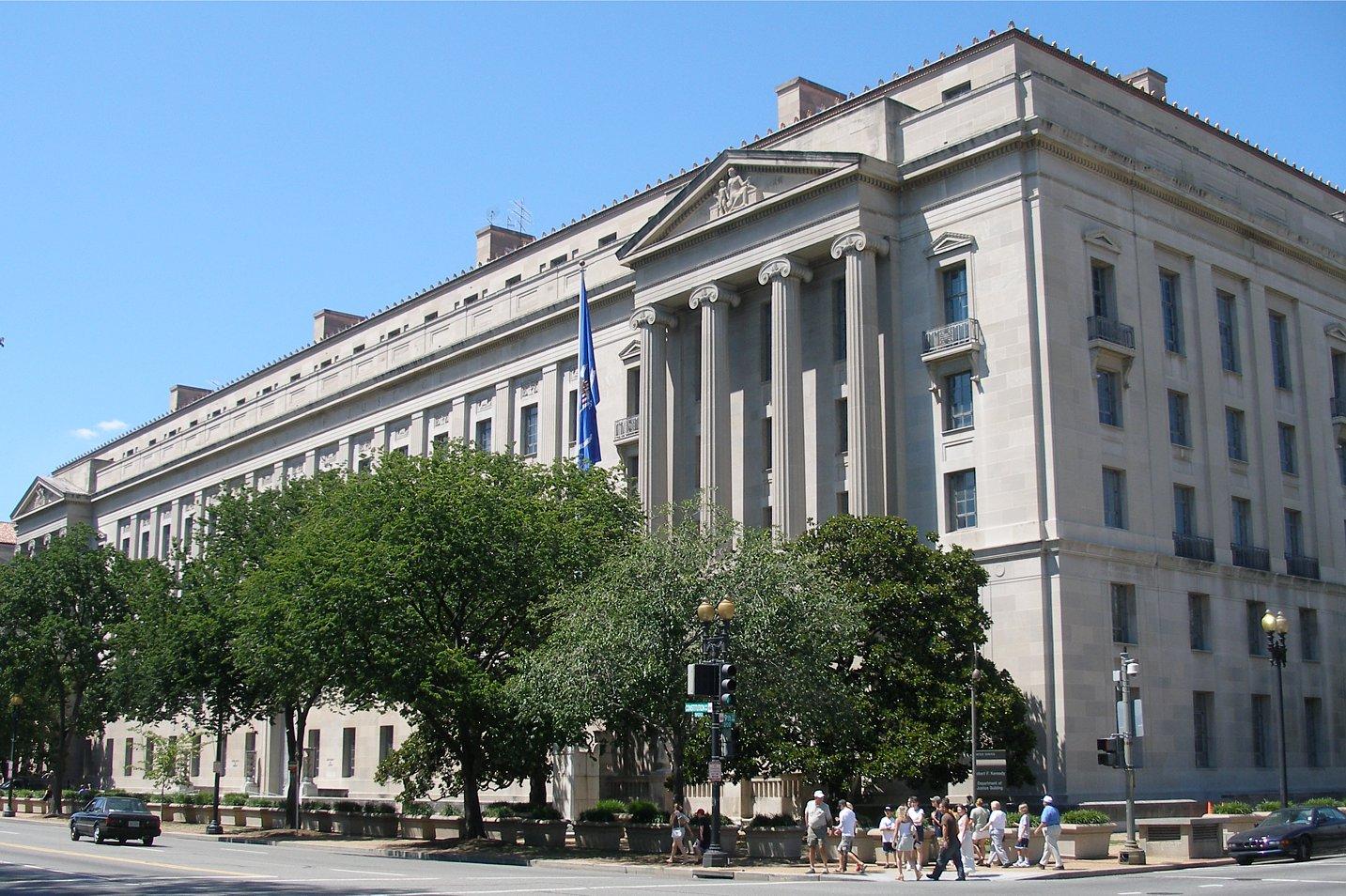
The Justice Department announced Tuesday that federal prosecutors have charged more than 800 defendants and filed more than 400 cases across 85 federal districts since President Trump signed Executive Order 14390 on March 6, according to a Justice Department news release. Attorney General Todd Blanche said the department had recovered more than $8 billion in intended losses to victims, according to KABB. The results were announced at a Washington news conference with Todd Blanche and Kash Patel, Wisevoter reported.
The enforcement push carries out Executive Order 14390, which called for a government-wide crackdown on fraud and predatory schemes, the release said. The Justice Department said prosecutors and agents assisted law enforcement in more than 10 countries in raids on foreign scam call centers and compounds that targeted Americans.
FBI Director Kash Patel said Operation Blackout restrained almost $17 billion, took over 14,000 digital devices, and shut down 29 scam compounds across Asia, Africa and the Middle East. The operation helped free more than 2,200 trafficked workers, led to federal charges against more than 50 scam actors, and foreign partners arrested or detained more than 320 additional perpetrators. The FBI's Operation Level Up has prevented more than $143 million in losses and warned thousands of Americans that they were being targeted, according to the release.
The department highlighted a jury duty scam run from Georgia prisons. Federal and state prosecutors charged 14 people in three indictments after inmates with contraband phones told victims they had missed jury duty and faced arrest unless they paid a fine, the release said. Seventeen more defendants face state charges for smuggling contraband phones into prisons. KABB reported that a nine-count indictment in the Northern District of Texas charges four men with running a jury duty scam that generated about $1 million and used spoofed numbers, fake email accounts and counterfeit court documents to pressure victims to send money through cryptocurrency kiosks. One victim lost more than $40,000, and postal inspectors sent warning letters to more than 1,300 people identified as possible money mules.
Mexican authorities returned a man accused of selling personal information on more than one million older Americans, KABB reported. FBI Director Patel said the alleged activity caused at least $15 million in losses. The Justice Department also charged a dozen defendants, including several Jamaican nationals, in a sweepstakes scheme that defrauded elderly Americans.
Other agencies reported enforcement results. Homeland Security Investigations executed more than 300 arrests and secured about 80 convictions, the release said. The Secret Service restrained over $200 million, the Federal Trade Commission filed 16 actions and gave back nearly $3 billion to consumers, and the Securities and Exchange Commission pursued enforcement against 39 entities. The Federal Communications Commission adopted a rule on Nov. 19 letting prisons and jails use jamming devices to block calls from illegal contraband phones.
Gallup data cited by the department showed 10 percent of U.S. adults encountered a scam in the past year and put total losses at $68 billion for 2025. “Predatory scams against the American people will not be tolerated,” Attorney General Blanche said. The department joined agencies in a public education drive that urges people to “Share Your Scam Story” during the holidays, the release said.
Sources: Wisevoter, Justice Department press releases, KABB
Malik Osei Oversight correspondent
Malik Osei covers inspectors general, the Government Accountability Office and federal spending for West Wing Times. Malik writes from audit reports, budget documents and published reporting, and links every source.
Corrections. Report an error to corrections@westwingtimes.com. We list substantive corrections on the corrections page.