TVA inspector general finds 196 of 240 welds failed on Fort Loudoun Dam turbine
The Unit 2 rebuild at Fort Loudoun Dam ended up costing $55.8 million, more than double its original $27.4 million authorization. TVA could not recover rework costs because it did not track them separately, the inspector general said.
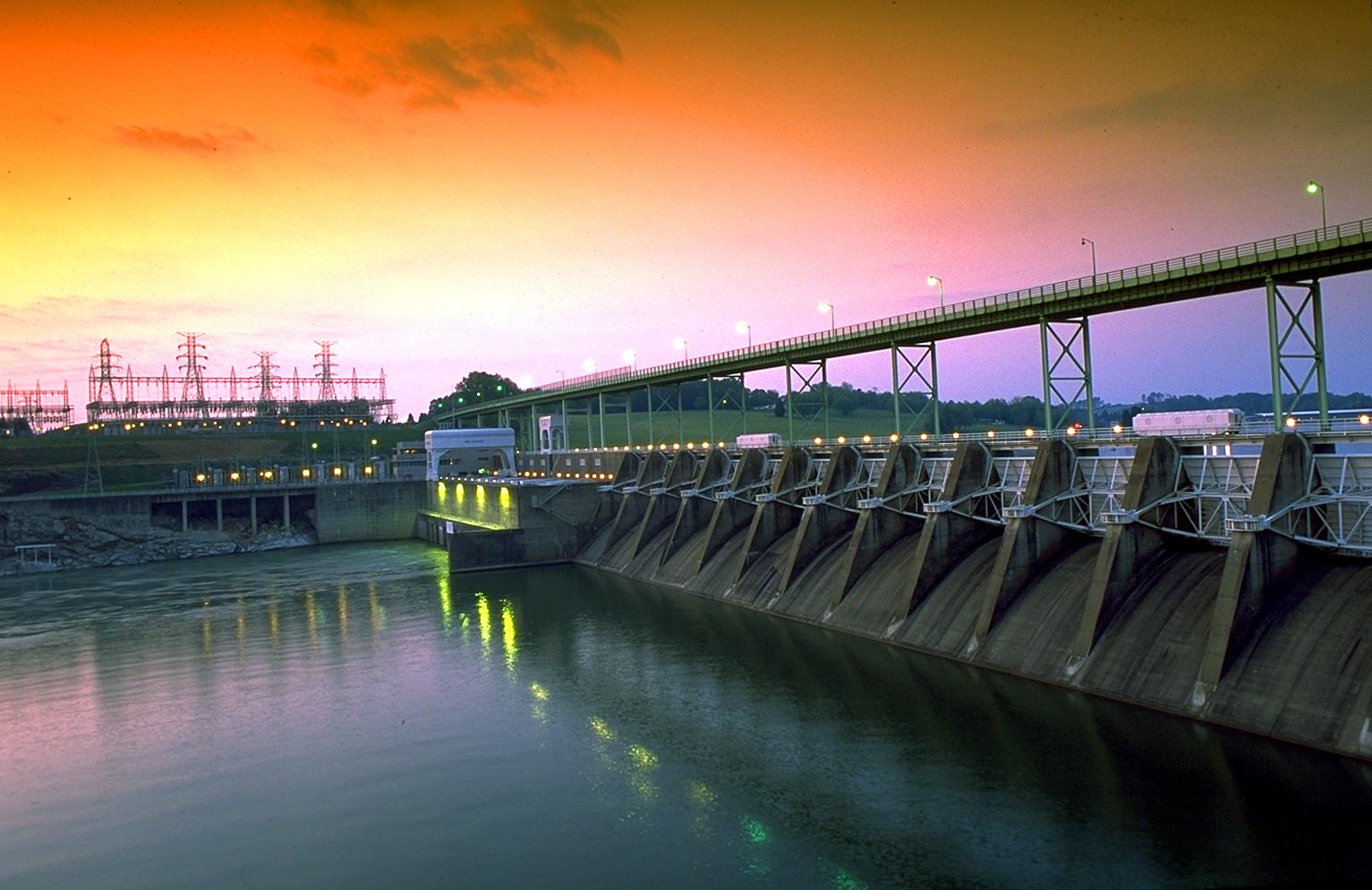
The Tennessee Valley Authority's Office of Inspector General said in a November 4 report that 196 of 240 welds on a discharge ring at Fort Loudoun Dam failed during a turbine replacement near Lenoir City, Tennessee. The discharge ring is the structure that directs water after it leaves the turbine blades.
TVA began the Fort Loudoun Unit 2 project in November 2017 as part of its Hydro Life Extension program, which the report describes as an $800 million plan over five years to rebuild units across a fleet of 29 hydro plants and 109 generating units. According to TVA, the dam has four generating units that can supply around 151 megawatts to the grid on a typical summer day.
The replacement fixed-blade turbine, according to TVA, weighs almost 375,000 pounds and took the place of the original unit that had been running since 1943. The agency said the new turbine would "boost reliability and help deliver low-cost energy for decades to come."
TVA's project management asked the construction manager to monitor the welding. The construction manager recorded multiple instances where welders were not qualified for the required processes and techniques, the contractor did not witness welders' qualification tests, and testing records were invalid or missing qualification procedures. The construction manager also found that nonweldable rebar had been put into welds that required weldable rebar.
An outside firm then reviewed the contractor's welding program at TVA's request to understand the reason for the numerous failed welds. It affirmed the issues with welder qualifications and indicated the nonweldable material might have contributed to the failures. The inspector general's report says the project manager at the time had been told about the qualification concerns and had seen both the construction manager's assessment and the outside review. He allowed the work to proceed without mandating corrective measures for the unqualified staff, stating he "viewed the issues as low risk."
The inspector general found that skipping corrective action contributed to the rework and to the 196 failed welds, about 82 percent of the 240 welds. Unit 2 was returned to service in July 2026. The report does not say whether the unit is safe to operate now and does not describe what happened to each failed weld afterward.
The project began with a $27.4 million authorization. The budget was later raised to $37.6 million in April 2022, when the in-service date shifted to September 2024. The March 2026 forecast showed $56.5 million, with the unit expected back in July 2026. As of August 2026, TVA had spent $55.8 million. The July 2026 return came about 22 months after the September 2024 date set in the 2022 reset; the report does not provide the original schedule target.
The inspector general examined the 33 change requests with the highest dollar amounts out of 217 total. Together, they accounted for $14.9 million of the $17.2 million in recorded changes. The project team followed some cost management practices, but TVA fell short on tracking rework. Some contractor work was defective and had to be redone, and TVA found one key component had degraded more than expected and added work through a change request. TVA's records indicate the schedule was extended by at least 290 days and costs rose by $4 million. Because the utility did not distinguish rework from added scope, it was unable to recover rework expenses from the contractor.
The inspector general made four recommendations, and TVA management agreed with all of them. TVA said it has reminded project managers to keep change request logs and told construction managers to record rework in issue or delay logs. It will require project teams to report that the logs are kept, along with total cost exposure and any rework. TVA also said it will go back through costs to identify rework and determine whether any money can be recovered. The report does not give a deadline for that review.
Four project managers have overseen the project, with the latest starting in December 2025. At the time the inspector general requested records, the current manager lacked access to the complete project files and was still seeking them through management. The handoff from the previous project manager consisted of a general conversation and being shown where some files were kept. TVA reported finishing a new central document repository in August 2026 and intends to produce a project management handbook detailing the required handover process when project management changes.
Before the Fort Loudoun Unit 2 work, the contractor had been engaged on Melton Hill Unit 1 and Fort Loudoun Unit 1. However, the inspector general's review does not address whether those earlier projects had comparable welding issues.
Sources: AutoNotion
Malik Osei Oversight correspondent
Malik Osei covers inspectors general, the Government Accountability Office and federal spending for West Wing Times. Malik writes from audit reports, budget documents and published reporting, and links every source.
Corrections. Report an error to corrections@westwingtimes.com. We list substantive corrections on the corrections page.