Trump Nominates Jay Clayton for Director of National Intelligence
The nomination follows House and Senate votes rejecting short-term renewals of expiring FISA surveillance powers, while acting ODNI chief Bill Pulte faced bipartisan worry.
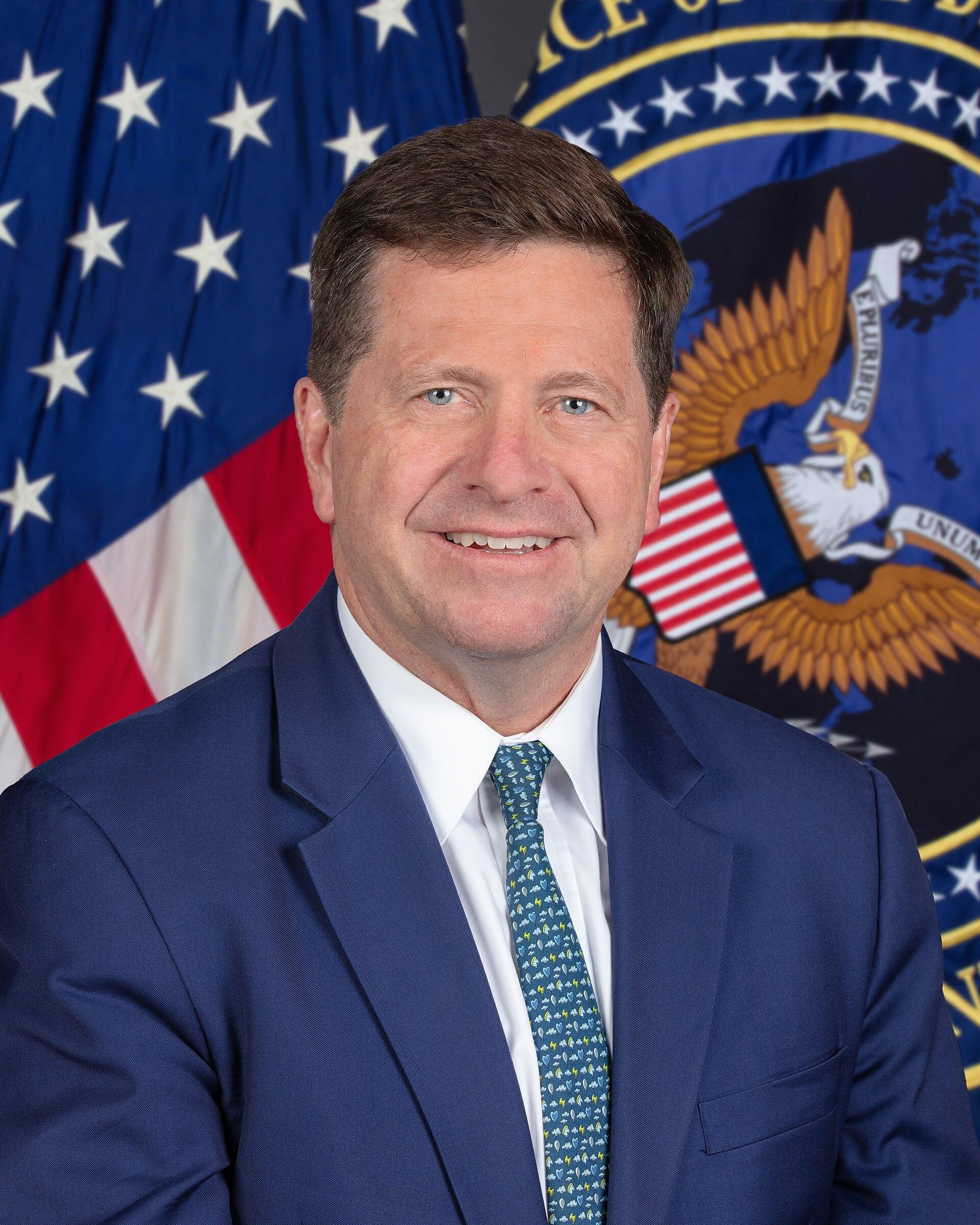
President Donald Trump is nominating Jay Clayton to be director of national intelligence, ABC News reported Thursday. Clayton is the sitting U.S. attorney for the Southern District of New York and previously led the Securities and Exchange Commission.
Trump wrote on social media, "I encourage the United States Senate to confirm Jay as soon as possible."
The announcement followed House and Senate votes earlier Thursday rejecting short-term renewals of the government's Section 702 surveillance powers under the Foreign Intelligence Surveillance Act, which expire Friday at midnight. The debate over renewing that authority coincided with Trump's choice of Bill Pulte as acting director following Tulsi Gabbard's resignation. Lawmakers from both parties voiced worry about Pulte because he has no prior work in national security or intelligence.
Asked by ABC News Senior Political Correspondent Rachel Scott about Pulte continuing as acting director given that lack of experience, Trump said in the Oval Office, "He's only there for a little while. He's running it for a short while we get a very talented person, Jay Clayton, in."
Aside from national security cases he handled as U.S. attorney, Clayton has no background in intelligence collection or national security. Clayton worked primarily as a corporate lawyer and had little criminal law experience before becoming U.S. attorney last year. The Senate never voted on Clayton's appointment as U.S. attorney; instead, federal judges in the district approved his selection.
During his year leading the Southern District, Clayton's office focused on drugs, gangs, immigration and fraud cases. Trump directed him to lead an investigation into high-profile Democrats including Bill Clinton, Larry Summers and Reid Hoffman over alleged associations with Jeffrey Epstein. The investigation has yielded no visible outcomes, and acting Attorney General Todd Blanche said earlier this year that no active cases involving Epstein associates were pending. Clayton's office also handled the release of grand jury records tied to Epstein, which led victims to object that private details were being exposed. Federal judges said the department's effort to open those records was mostly for show because DOJ would not release its own files.
The first two insider trading prosecutions involving prediction markets came from Clayton's office, with defendants including a special forces soldier and a Google employee. Earlier this week, Clayton drew criticism after he appeared on CNBC and voiced baseless claims of election fraud in California. Clayton cited "a great phrase, 'opportunity for fraud'" while attacking California's vote-by-mail rules.
While at the law firm Sullivan & Cromwell, his clients included hedge funds, rich individuals, big banks, and companies like Deutsche Bank, UBS, and Alibaba Group. His past clients included Goldman Sachs amid the 2008 crisis and Barclays in its purchase of Lehman Brothers assets from bankruptcy proceedings. In Trump's first term, Clayton chaired the SEC and pursued cryptocurrency enforcement, securing $14 billion in financial penalties, including $3.5 billion returned to investors. While Clayton championed the "long-term interests of the Main Street investor," he also pushed deregulations that critics said weakened investor protections, including eliminating the requirement for hedge funds to disclose stock holdings and easing standards for corporate auditors.
Update, November 14, 2026
The Senate confirmed Jay Clayton as director of national intelligence on a 51-47 party-line vote, ABC News reported Friday. Clayton, the U.S. attorney for the Southern District of New York, will now lead the intelligence community after a monthslong standoff over his nomination. The vote fell strictly along party lines. His confirmation comes as senators weigh whether to renew the Foreign Intelligence Surveillance Act's Section 702 authority, which expired in mid-June. Republicans hope Clayton's installation can attract the Democratic votes needed for reauthorization, but the House has already begun its recess, so the lapsed surveillance program is unlikely to be restored before September at the earliest. The Senate could still act before its own break at the end of next week.
Celia Marchetti White House correspondent
Celia Marchetti covers the White House, presidential actions and nominations for West Wing Times. Celia writes from the documents the White House and the Federal Register publish, official statements and published reporting, and links every source.
Corrections. Report an error to corrections@westwingtimes.com. We list substantive corrections on the corrections page.