WHO to test two Bundibugyo Ebola vaccines as DR Congo cases pass 11,000
The candidates, from Oxford and Moderna, will join the Tumaini trial as the outbreak has more than doubled in three months.
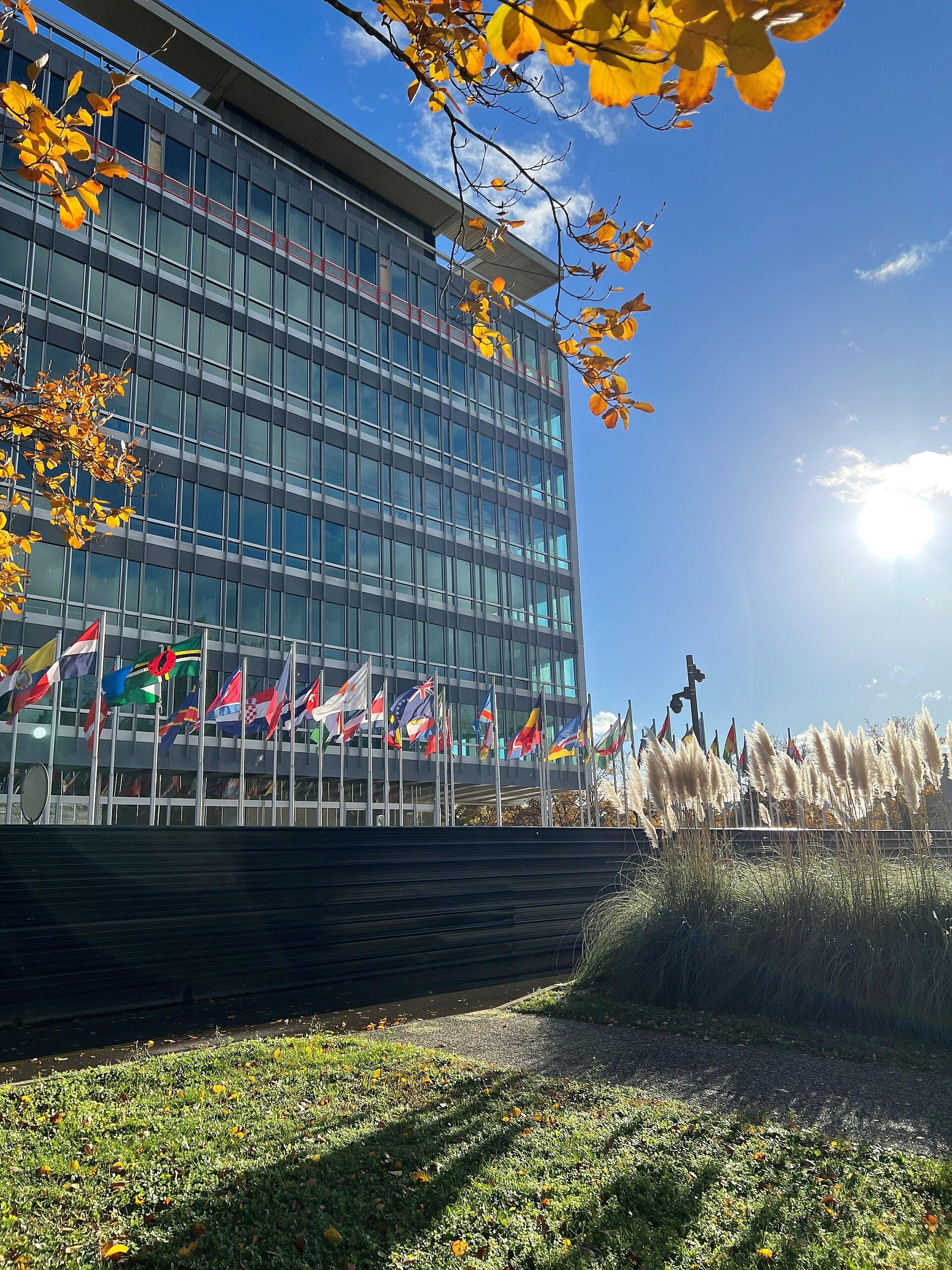
WHO Director-General Tedros Adhanom Ghebreyesus said in opening remarks to the agency’s emergency committee on 17 November that the Bundibugyo Ebola outbreak in the Democratic Republic of Congo has grown by more than 100 percent over the past three months, with over 11,000 cases and 5,400 deaths across 67 health zones in eight provinces. He added that two vaccine candidates targeting this specific virus will be introduced into the ongoing trial within weeks.
“The risk beyond the DRC’s borders is not theoretical,” Tedros said.
Kenya has confirmed nine cases and two deaths tied to an imported infection, and Nigeria has recorded one imported case, Tedros said. He added that Kenya’s final patient has left hospital and the 42-day clock has started.
CIDRAP’s news brief cited CDC situation-summary figures listing 11,536 confirmed cases and 5,635 deaths since the outbreak was declared on 15 May. The DRC is still reporting 400 to 500 new cases each week, and children account for roughly 30 percent of deaths, CIDRAP reported.
CASRAI reported on 18 November that the two candidates are ChAdOx1, developed by the University of Oxford with the Serum Institute of India, and mRNA-1469, developed by Moderna. WHO expert groups recommended adding both candidates, and each will enter the trial only after national approvals, according to CASRAI. According to CASRAI, Meg Doherty, who leads WHO’s science for health department, said Phase 2 studies for both candidates are set for 26 or 27 November in Bunia, Ituri province, with progression to Phase 3 dependent on favourable safety and immune-response outcomes.
CASRAI described Tumaini as a Phase 2/3 platform trial that began enrolling participants in Bunia on 23 October. So far, over 140 people have joined, and thousands of contacts are anticipated to take part later. The trial also began Phase 3 testing of Ervebo, the vaccine approved for the Zaire species, on 23 October to assess protection against Bundibugyo.
Tedros said the response has made uneven progress: testing capacity has expanded from two laboratories to more than two dozen, nearly 2,000 treatment beds are available, and about 3,000 people have recovered. Yet about two out of three confirmed deaths still happen outside Ebola treatment centres, contact follow-up remains below target, and insecurity is a major obstacle, including attacks on Cantine-Aloya and Tshopo province that killed health workers and disrupted contact tracing. He also criticised blanket travel restrictions, saying they hinder the response and discourage countries from reporting outbreaks quickly.
Nature World News reported on 16 November that no vaccine or drug has been authorised specifically for Bundibugyo, and that Africa CDC says 80 percent of new cases are found outside health surveillance. The report said children accounted for 35 percent of deaths through 4 November, citing UNICEF figures, and that health workers have repeatedly struck over unpaid wages.
Sources: who.int, CIDRAP, CASRAI, Nature World News
Owen Hargrove Agencies and regulation correspondent
Owen Hargrove covers the cabinet departments, federal agencies and the rules they write for West Wing Times. Owen writes from Federal Register notices, agency announcements and published reporting.
Corrections. Report an error to corrections@westwingtimes.com. We list substantive corrections on the corrections page.